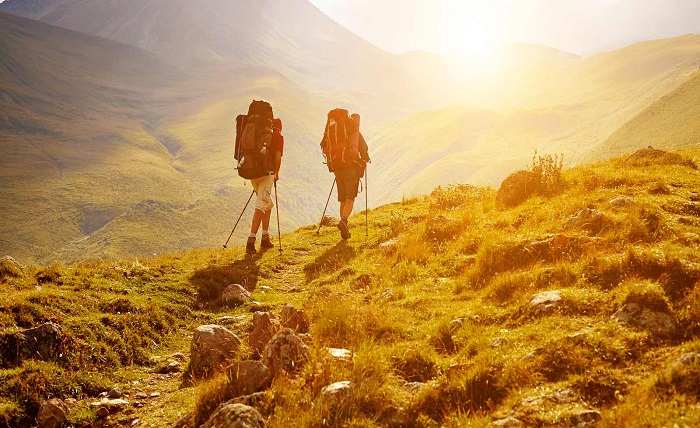
Everest base camp trek is typical for trekkers from all over the world as it offers stunning views, rich culture & challenging high passes. But one of the very important things in this journey is to pace it safely and sustainably. Whether you have an organized “Everest Base Camp tour itinerary“, are backpacking, trekking to Everest base camp, or packing a list, pacing is the key to making your trip safer and more enjoyable, and reducing the risk of suffering from altitude sickness. The knowledge of the right blend of effort, rest, and acclimatization is a critical factor for those looking to do the Everest base camp trek from Kathmandu (also considering thinking about doing the Everest base camp trek 2025).
The cost of an unsustainable pace is described..
Maintaining a “safe” and sustainable pace when hiking towards the Everest Base Camp is very important to avoid the risk of symptoms of altitude sickness on your trek to Everest base camp, as well as promoting proper acclimatization, fending off exhaustion, and enjoying your hike; however, we deem it safe. Rapid ascents put even fitter people under a strain, the heat, and can lead to altitude-related illness. Your Everest Base Camp trek leader. It means they are there to encourage you in how fast or slow you should be walking based on your fitness, past walking/hiking experience, each day, ay and today’s distance outlined on the Everest Base Camp trek map. You need to respect the limits of your body, and listen to what rhythm the mountain has – this is where you will gain more enjoyment!
Planning Your Trek involving the Proper Itinerary
A responsible EBC Trekking itinerary should allow you to acclimatize appropriately. Allocate a lot of days for acclimatization and resting, don’t rush on the trek. Acclimatisation days in Namche Bazaar, Dingboche, and Gorak Shep help you increase your body’s ability to acclimatise at higher altitudes – the challenge is walking consistently. You have enough Extra/ Buffer days in the Everest base camp trek package that are there for acclimatization and any other unexpected delay on your part, so don’t hurry on to your climb and end up putting yourself at risk of health problems. A quick look at the Everest Base Camp trek map and sticking to recommended daily miles will help make certain you don’t overdo it.
Choosing the right Trekking Package or Local Agent
You are in a great position, on also this is no different when you book the Everest base camp trek with a local agency and as well as when you make making reservation Everest Base Camp trek package. An experienced Everest Base Camp trek guide understands the appropriate pace for hiking in different altitudes, which ensures that groups hike at safe paces but also logs the required miles. A reputable area organization also organizes food and lodging and allows trekkers to only concern themselves with pace. Whether doing an Everest Base Camp helicopter return trek or the regular from Kathmandu, it makes a difference to your trekking experience having one of these professional guides.
Listen to Your Body, Mind the (Altitude) Gap
Keep a close eye on how your body responds to the altitude so you can set yourself a safe trekking pace. Symptoms of Everest Base Camp trek altitude sickness, headaches, vomiting, dizziness, or tiredness are all signs that you should stop or take a rest. Run in your body’s rhythm, not by the tick of the watch or expectations of a group. Talk together with your Everest Base Camp trek guide, as they are able to teach you the way to understand early symptoms of altitude sickness and prepare beforehand by means of consuming masses of water, resting whilst necessary, and mountain climbing smarter. Better to listen to your body than an itinerary.
Incorporating Rest Days and Recovery
Rest days will define your trekking pace. Including pre-acclimatization days allows your body to adjust more gradually to elevations and reduces stress on muscles and joints. Short recovery on hiking days also seems to improve endurance and reduce fatigue. Include some days for acclimatization in your Everest Base Camp trek from Kathmandu itinerary. These acclimatization days not only help in lowering the risks of altitude sickness, but also enrich an overall trek by allowing you to take time soke up the stunning scenery and local culture that lines your route.
Real World Walking Tips for Keeping Up To Speed
Loads more simple, practical Everest Base Camp trek tips to keep you marching on the path. Begin in the a.m. to get the coolest parts of the day and a nice, quick trail. They ensure that the load is distributed and reduce tiredness, especially in hard up or downhill areas (such as those shown on our Everest Base Camp trek map). Just make sure you run at a steady clip where you can speak and not be panting so much in order not to overdo it, he added. Be sure that you’re hydrated and pack a few light snacks to help maintain your blood sugar levels. Also, it’s being smart by layering this way, you won’t have to use that much energy, which could be crucial in the case of trek Everest Base Camp 2025, for instance, as it rains and hail tags along.
Use of Permits and Regulations as Tools of Gentle Leading:
All trekkers walk with trek permits for the Everest base camp trek, and this also indirectly affects the pace of walking. Log effective permit control means people breeze through controlled areas without an unnecessary stop or turn. Your Everest Base Camp trekking guide and local agency will be able to handle the permits, so you can get on with training rather than paperwork. Prior understanding of the permit regulations and entrance fees makes for a smooth trek and allows for responsible travel on the trail. All these turn on point logistics allow you to hike along your Everest Base Camp trek itinerary without being pressured, nd this makes the whole experience safer and more comfortable as well.
Conclusion
Keeping a secure and sustainable trekking tempo is without a doubt essential to taking part in the Everest Base Camp Trek. With a well-deliberate Everest Base Camp trek itinerary, the proper neighborhood employer or guided package, paying attention to your frame, taking relaxation days, and sensible pointers for hiking, you’ll be nicely on a smooth adventure from Kathmandu all the way to the bottom of the world’s highest mountain. And whether you are wishing to do an Everest Base Camp helicopter return trek, 2025 expedition, or the ordinary multi-day route walking, with the right attitude, allows you to see a great cross-section of Nepal’s amazing scenery and interesting culture.
Although these are basics and along with knowledge of altitude exertion and proper instruction from an experienced Everest Base Camp trek guide can only help you prevent altitude sickness as well as fatigue. A little bit of planning, packing and preparation should help you make it less risky and far more richer when travelling the killer (as it is often defined) trial to Everest Base Camp trek: leading to better photo ops in the majestic Himalayas, a better chance to witness indigenous folks life-loving spirit for their land(bringing back tales straight from-the-horse’s mouth), and finding yourself drowning in dare-all adventure that an audacious course such as EBC presents! In the final analysis, a well-paced walk is one in which the memories of the journey are even more impressive than the highest peaks that you have scaled.